


Have you ever felt like your body is asking for more, yet you are unsure where to start? We often get lost in complex diet trends, forgetting that true vitality comes from simple, consistent choices. Embracing Nourishment & Healthy Living is not about perfection; it is about finding a rhythm that honors your unique needs.
Every person has different energy requirements, typically ranging from 2,000 to 2,500 calories daily depending on your activity level. Small, realistic changes to your hydration and movement habits often yield the best results. By focusing on variety rather than restriction, you create a sustainable path toward feeling your best every single day.
This guide offers practical wellness advice to help you navigate your journey with confidence. We will explore how balanced choices and mindful habits can transform your relationship with yourself.
Key Takeaways
- Understand that calorie needs are personal and depend on your daily activity levels.
- Prioritize variety in your meals to ensure you receive essential nutrients.
- Focus on small, sustainable changes rather than restrictive dieting habits.
- Incorporate mindful movement and proper hydration as pillars of your routine.
- View your wellness journey as a long-term commitment to self-care.
Understanding Nourishment: What It Really Means
Nourishment goes far beyond the simple act of counting calories on a food label. It represents a holistic health approach that considers how every bite impacts your long-term vitality. When you view food as fuel rather than a number, you begin to make choices that truly serve your body.
The Science Behind Nourishment
At its core, nourishment is about providing your cells with the essential building blocks they require to function. Your body relies on a precise balance of macronutrients, including proteins, fats, and carbohydrates, to maintain energy levels. These are supported by vital micronutrients like vitamins and minerals, alongside fiber, which keeps your digestive system running smoothly.
Quality and variety are the cornerstones of effective nutrition tips. Eating a wide range of whole foods ensures you receive a broad spectrum of nutrients that work together to protect your health. The following table highlights how different components contribute to your overall well-being:
| Nutrient Category | Primary Function | Key Benefit |
|---|---|---|
| Proteins | Tissue Repair | Muscle Maintenance |
| Complex Carbs | Energy Supply | Steady Blood Sugar |
| Healthy Fats | Brain Support | Hormone Regulation |
| Fiber | Digestion | Heart Health |
Emotional and Mental Aspects of Food
Food is deeply tied to our emotions, culture, and personal history. Stress, joy, and social gatherings often dictate our eating patterns more than physical hunger does. Recognizing these triggers is a vital part of maintaining a healthy relationship with what you eat.
Adopting a mindful awareness allows you to enjoy your favorite cultural dishes without guilt. By listening to your body’s internal cues, you can balance physical needs with emotional satisfaction. These nutrition tips emphasize that a healthy lifestyle is not about restriction, but about finding harmony between your plate and your peace of mind.
Creating a Balanced Diet for Optimal Health
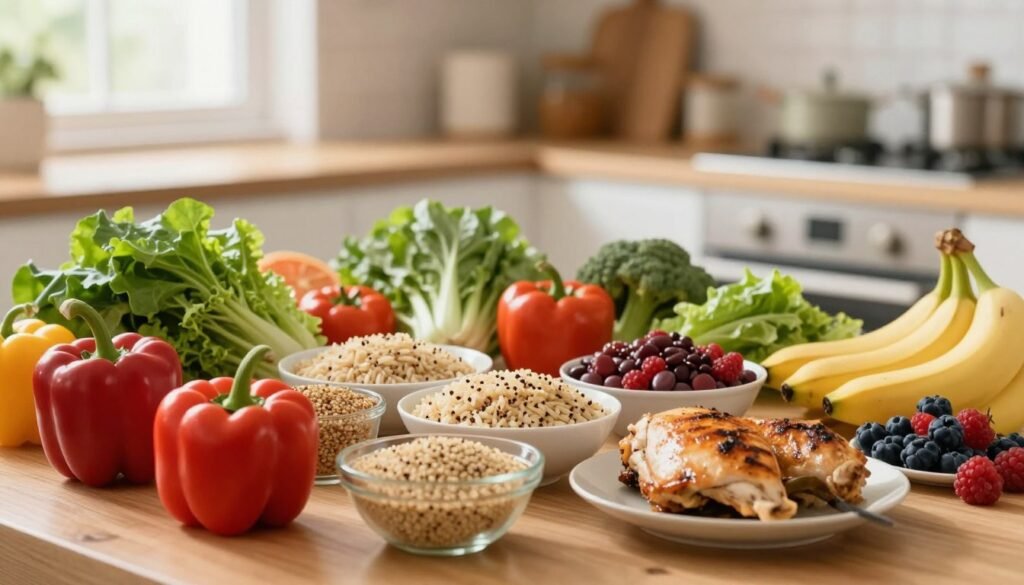
Achieving your wellness goals is much easier when you understand how to construct a balanced diet. By focusing on a variety of food groups, you provide your body with the essential fuel it needs to function at its best. These nutrition tips will help you build meals that match your daily activity levels and personal health needs.
Key Nutrients Your Body Needs
A healthy plate should prioritize high-fiber starchy foods to keep your energy levels stable throughout the day. Excellent choices include whole-wheat pasta, brown rice, and potatoes consumed with their skins intact. These complex carbohydrates offer sustained fuel rather than quick sugar spikes.
Do not forget to include high-quality proteins in your routine. Aim to eat fish regularly, specifically including one weekly portion of oily fish like salmon or mackerel. These provide vital omega-3 fatty acids that support heart and brain health.
Meal Planning Tips for Success
Planning your meals ahead of time is a great way to ensure you stay on track with your health goals. Start by sketching out your menu for the week, which helps you avoid impulsive, less healthy choices when you are hungry. Preparing ingredients in advance, such as washing vegetables or cooking grains, makes assembling a balanced diet much faster during busy workdays.
The Importance of Portion Control
Portion control serves as a practical strategy to manage your total energy intake while still enjoying satisfying meals. You do not have to give up your favorite foods; instead, focus on the quantity you consume. Using smaller plates or measuring your servings can help you become more mindful of how much you are actually eating.
| Food Category | Recommended Choice | Health Benefit |
|---|---|---|
| Complex Carbs | Whole-wheat pasta | Sustained energy |
| Healthy Fats | Oily fish | Omega-3 support |
| Fiber Sources | Potatoes with skin | Digestive health |
| Protein | Lean poultry | Muscle maintenance |
By applying these simple nutrition tips, you can create a sustainable way of eating that supports your long-term vitality. Remember that consistency is more important than perfection when building your new habits.
The Role of Hydration in Healthy Living
Proper hydration serves as a cornerstone for maintaining energy and focus throughout your busy day. While many people focus on food, water remains the most essential nutrient for your body to function correctly. Incorporating consistent fluid intake into your daily routine is a piece of wellness advice that yields immediate benefits for your physical and mental performance.
How Much Water Do You Really Need?
A common recommendation is to drink six to eight glasses of water each day. However, your specific needs can change based on your activity level and the environment. If you are exercising or spending time in the heat, your body will naturally require more fluids to stay balanced.
It is helpful to view drinking water as one of your essential self-care practices. Rather than waiting until you feel thirsty, try to sip water consistently throughout the day. This habit ensures your body stays fueled and ready for any challenge.
Signs of Dehydration and How to Prevent It
Recognizing the early signs of dehydration is a vital skill for maintaining your health. Common indicators include feeling tired, experiencing headaches, or noticing a darker color in your urine. When you notice these signals, it is time to increase your water intake immediately.
To prevent dehydration, prioritize plain water over other options. While juices and smoothies might seem healthy, they often contain high levels of free sugars that do not provide the same hydration benefits. Limiting these sugary drinks is a smart wellness advice strategy to keep your energy levels stable.
Building these self-care practices into your lifestyle does not have to be difficult. Keep a reusable water bottle nearby to make hydration an easy, automatic choice. By staying ahead of your body’s needs, you support your long-term health and vitality.
Incorporating Fruits and Vegetables into Your Meals
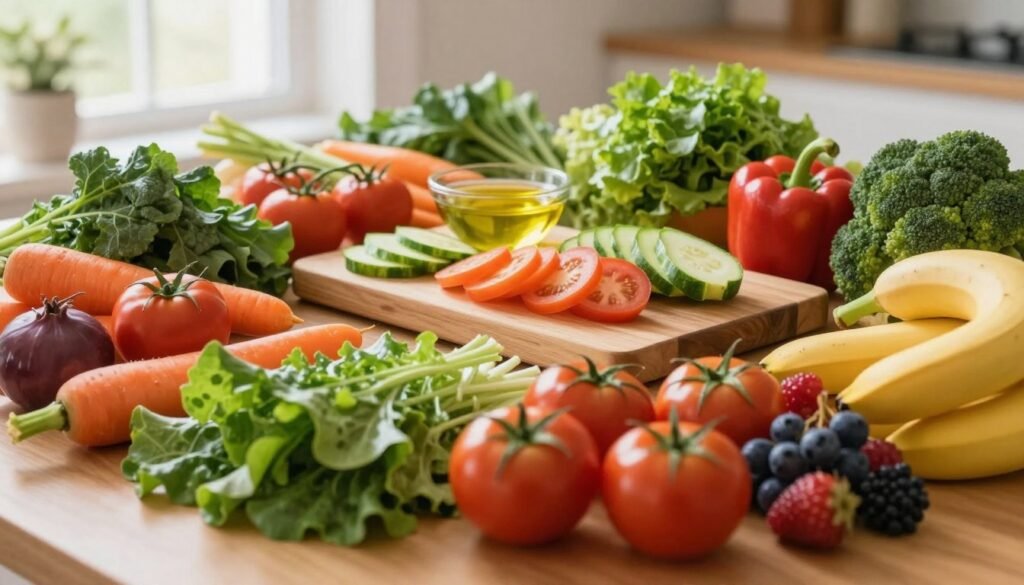
Achieving a balanced diet becomes much easier when you embrace the variety of fruits and vegetables available. You do not need to limit yourself to fresh items, as frozen and canned options are equally nutritious and often more convenient. Aiming for an 80-gram portion per serving is a simple way to track your progress toward your daily goals.
Seasonal Produce: What’s Best and When?
Eating with the seasons allows you to enjoy produce at its peak flavor and nutritional value. When you choose items that are currently in harvest, you often find better prices at your local market. While organic living is a popular choice for many, it is important to remember that the most nutritious option is the one you actually enjoy eating regularly.
Focusing on local availability helps reduce your environmental footprint while supporting regional farmers. You can use the following guide to help plan your grocery trips throughout the year.
| Season | Fruit Highlights | Vegetable Highlights |
|---|---|---|
| Spring | Strawberries, Apricots | Asparagus, Peas |
| Summer | Peaches, Watermelon | Zucchini, Tomatoes |
| Autumn | Apples, Pears | Pumpkins, Brussels Sprouts |
| Winter | Oranges, Grapefruit | Kale, Sweet Potatoes |
Creative Ways to Enjoy More Veggies
If you struggle to reach your daily intake, try blending vegetables into your favorite sauces or soups. This technique hides the texture while adding a massive boost of vitamins to your balanced diet. You can also experiment with colorful grain bowls by roasting a variety of seasonal roots and greens.
Do not forget to include fruit in your breakfast routine to start your day on a high note. Adding berries to oatmeal or sliced bananas to whole-grain toast makes healthy eating feel like a treat. Small, consistent changes are the secret to long-term success in your wellness journey.
Benefits of Mindful Eating
Have you ever finished a meal and realized you barely tasted it? Many of us eat while distracted by screens or busy schedules, which often leads to overeating. By practicing mindful eating, you can transform your relationship with food and improve your holistic health.
This approach encourages you to slow down and savor every bite. When you pay attention to the texture and flavor of your food, you naturally feel more satisfied. This simple shift helps you move away from automatic eating patterns that do not serve your body well.
How to Practice Mindful Eating
You can start your journey toward better habits by making small, intentional changes during your daily meals. Begin by pausing for a moment before you take your first bite to appreciate the nourishment on your plate. This brief pause helps you transition from a busy day into a state of calm.
Try to remove distractions like your phone or television while you eat. Focusing entirely on your meal allows you to notice when you are truly satisfied. You might find that you enjoy your food much more when you are fully present in the moment.
Recognizing Hunger Cues
Learning to listen to your body is a key component of holistic health. Many people struggle to distinguish between physical hunger and emotional triggers like stress or boredom. True physical hunger usually builds gradually and is felt in the stomach, whereas emotional cravings often appear suddenly.
Check in with yourself before you reach for a snack. Ask if you are actually hungry or if you are simply looking for comfort. By honoring your body’s natural signals, you can avoid unnecessary snacking and maintain a balanced energy level throughout the day.
| Feature | Mindless Eating | Mindful Eating |
|---|---|---|
| Pace | Fast and rushed | Slow and deliberate |
| Focus | Distractions like TV | Sensory experience |
| Cues | External triggers | Internal hunger signals |
| Outcome | Often overeating | Natural satisfaction |
Healthy Cooking Techniques You Should Try

Mastering a few simple cooking techniques can transform your daily meals into health-boosting experiences. While the quality of your ingredients matters, the way you apply heat determines how much nutritional value remains on your plate. Incorporating these simple nutrition tips into your routine helps you manage your caloric intake without sacrificing flavor.
Baking vs. Frying: What’s Healthier?
Frying food often involves submerging ingredients in hot oil, which significantly increases the calorie count and saturated fat content. Excessive saturated fat intake is linked to various health concerns, which is why experts suggest limiting daily consumption to 30 grams for men and 20 grams for women.
In contrast, baking or roasting allows you to cook food in its own juices or with a minimal amount of heart-healthy oil. These methods preserve the integrity of the food while keeping unwanted fats at bay. Choosing to bake instead of fry is a simple change that supports your long-term wellness goals.
| Method | Fat Usage | Flavor Profile | Health Impact |
|---|---|---|---|
| Steaming | None | Natural/Mild | Excellent |
| Grilling | Low | Smoky/Charred | Good |
| Baking | Low/Moderate | Crispy/Rich | Good |
| Frying | High | Greasy/Savory | Poor |
The Power of Herbs and Spices
Many people rely on butter, heavy cream, or excess salt to make their meals taste better. However, you can achieve vibrant, complex flavors by using fresh herbs, spices, garlic, citrus, and vinegar instead. These ingredients add depth to your cooking without adding unnecessary calories or sodium.
When you prioritize high-quality ingredients, you may also choose to embrace organic living as part of your overall lifestyle. Selecting organic produce and spices ensures that you are avoiding synthetic pesticides while maximizing the natural antioxidants in your food. Experimenting with new spice blends is one of the most effective nutrition tips to keep your palate excited and your body nourished.
Making Healthy Choices When Eating Out
Making smart choices while dining out is a powerful form of self-care. You do not have to sacrifice flavor or social enjoyment to maintain your health goals. By following simple wellness advice, you can turn every restaurant visit into a positive experience for your body and mind.
Navigating Menus for Better Decisions
When you open a menu, look for keywords like grilled, baked, steamed, or roasted. These cooking methods generally use less added fat than fried options. Try to prioritize dishes that feature plenty of vegetables and whole grains to keep your energy levels steady.
Be mindful of hidden ingredients in dressings and sauces. A great tip is to ask for these items to be served on the side so you can control the amount you consume. If the menu provides nutritional information, keep an eye on the sugar and salt content. A helpful rule of thumb is to look for items with less than 22.5 grams of sugar and 1.5 grams of salt per 100 grams.
Strategies for Portion Control at Restaurants
Restaurant portions are often much larger than what we need in a single sitting. Practicing portion control is one of the most effective self-care practices you can adopt. You can enjoy your meal without feeling overly full by using these simple strategies:
- Share a dish: Split an entrée with a friend or family member to reduce your intake.
- Box it early: Ask for a to-go container when your meal arrives and set aside half before you start eating.
- Eat slowly: Take your time to savor each bite, which allows your brain to register when you are satisfied.
Remember that dining out is meant to be a pleasure. By making intentional choices, you can enjoy your favorite restaurants while staying true to your commitment to a healthy lifestyle.
The Importance of Regular Physical Activity

Achieving true wellness requires more than just a healthy diet; it demands consistent movement. When you combine nourishing food choices with regular activity, you create a powerful foundation for holistic health. This synergy helps your body function at its best while managing stress and improving sleep quality.
Sedentary habits often lead to serious long-term health risks. Research shows that lack of movement is linked to conditions such as type 2 diabetes, heart disease, stroke, and certain types of cancer. By staying active, you take a proactive step in protecting your future well-being.
Finding the Right Exercise for You
Many people fail to stick with a plan because they try to copy someone else’s intense regimen. Instead, you should focus on activities that match your current abilities, schedule, and personal interests. The best fitness routines are the ones you actually enjoy doing.
Consider these factors when choosing your movement style:
- Accessibility: Can you perform this activity near your home or workplace?
- Enjoyment: Do you look forward to the activity, or does it feel like a chore?
- Flexibility: Does the activity fit into your existing daily routine?
How to Stay Motivated
Building consistency is the secret to lasting success. You do not need to be perfect, but you do need to be persistent. Tracking your progress is a highly effective way to stay on the right path.
Try these strategies to keep your momentum going:
- Set manageable milestones: Break large goals into small, achievable steps.
- Use a planner or log: Writing down your activity helps you visualize your commitment.
- Celebrate small wins: Acknowledge your progress to boost your confidence.
Remember that your journey is unique to you. By prioritizing fitness routines that fit your life, you support your holistic health for years to come.
Building a Sustainable Healthy Living Routine
Transforming your well-being requires shifting from broad intentions to specific daily actions. True Nourishment & Healthy Living thrives when you focus on small, manageable changes that fit your unique lifestyle.
Creating Tangible Goals for Your Health
Start by setting one clear objective each week. You might commit to preparing a high-fiber breakfast using steel-cut oats or adding a brisk walk to your daily schedule. These small wins build momentum for your long-term fitness routines.
Focus on quality over quantity when planning your meals. Choosing foods lower in fat, sugar, and salt provides the energy needed to sustain your body throughout the day. Consistency matters more than perfection when you track your progress.
Overcoming Common Barriers to Healthy Living
Life often presents obstacles like limited time or tight budgets. You can navigate these challenges by keeping your approach simple and flexible. Prioritize self-care practices that recharge your mind and body without adding stress to your day.
Setbacks are a natural part of any journey toward better health. View these moments as opportunities to learn rather than reasons to quit. Stay focused on your path and celebrate the steady progress you make every single day.









Share a reflection
A kind space to share what helped, what you tried, or a question. Comments are read before they appear.