


Do you ever feel like your brain has too many tabs open at once? It is easy to get lost in the noise of daily demands, leaving you drained and disconnected from yourself. Finding a moment of peace often feels like a luxury you cannot afford, yet it is the most vital step toward reclaiming your joy.
Mindful Living offers a practical path to regain your balance. By simply paying attention to the present moment without judgment, you can shift your perspective on difficult situations. This approach serves as a powerful tool for stress relief, helping you navigate life with a clearer, calmer mind.
This guide connects meditation, daily habits, and self-care into a realistic strategy for your wellness. You will learn how to integrate these small changes into your routine to build lasting resilience. Let us start this journey toward a more centered version of you.
Key Takeaways
- Understand the core principles of staying present in your daily life.
- Learn how non-judgmental awareness helps lower your cortisol levels.
- Discover simple habits that integrate seamlessly into a busy schedule.
- Explore the connection between movement, nutrition, and mental clarity.
- Build a sustainable strategy for long-term emotional well-being.
What is Mindful Living?
At its heart, mindful living is the practice of bringing your full attention to the here and now. It involves applying present-moment awareness to your ordinary choices, daily habits, and personal relationships. By choosing to engage with your life as it unfolds, you move away from the autopilot mode that often dictates our busy schedules.
Definition and Benefits
A consistent mindfulness practice serves as the foundation for conscious living. It encourages you to observe your thoughts and feelings without immediate judgment. This shift in perspective helps you detach from the constant cycle of future worries or lingering past regrets.
When you prioritize presence, you often find that your self-esteem improves and your stress levels drop. You become better equipped to handle the pressures of success and the expectations of others. Ultimately, this approach fosters a deeper sense of inner peace and clarity in your daily life.
Core Principles of Mindfulness
To cultivate a life of awareness, you must embrace several key principles. These pillars act as a guide for your journey toward conscious living:
- Attention: Focusing your mind on the current task or emotion.
- Acceptance: Acknowledging your reality without trying to force a change.
- Patience: Allowing experiences to unfold at their own natural pace.
- Self-Compassion: Treating yourself with the same kindness you would offer a dear friend.
Integrating these values into your mindfulness practice allows you to navigate challenges with grace. By remaining open and curious, you transform how you interact with the world around you. This intentional way of being creates a lasting impact on your overall well-being.
The Science Behind Mindfulness
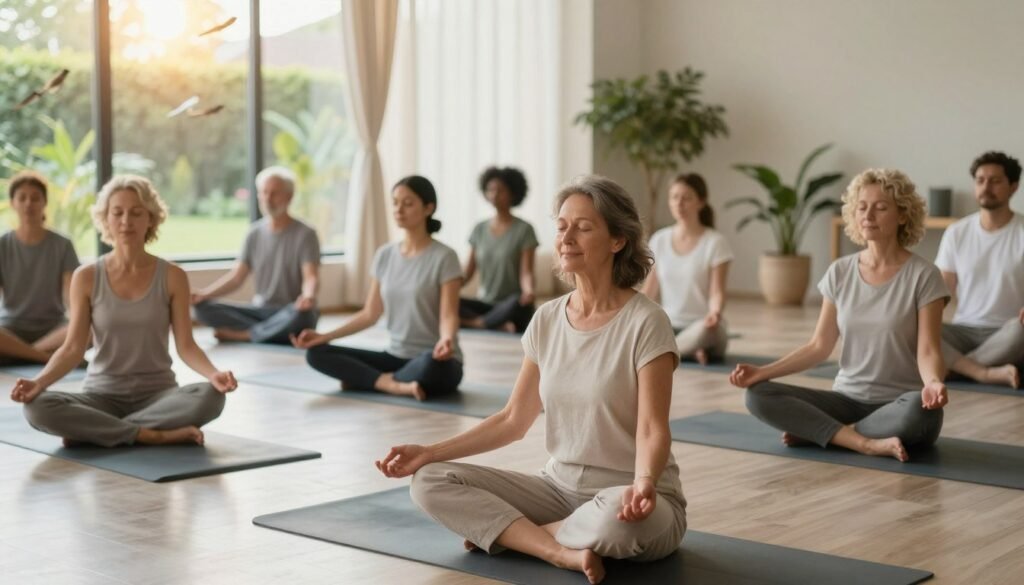
Exploring the science behind mindfulness reveals how simple mental shifts can lead to profound biological changes. Researchers are increasingly documenting how intentional focus influences our internal systems, providing a clearer picture of why these practices work.
Psychological Benefits
Regular meditation serves as a powerful tool for enhancing cognitive function and emotional stability. By training the brain to remain present, individuals often experience a significant reduction in symptoms related to anxiety and depression.
This practice fosters better emotional wellness by strengthening the neural pathways associated with self-regulation. When we learn to observe our thoughts without judgment, we gain the ability to respond to stressors with greater clarity and composure.
Physiological Impact
The physical effects of mindfulness are just as compelling as the mental ones. Studies indicate that consistent practice can lead to lower levels of cortisol, the body’s primary stress hormone, which helps protect the cardiovascular system.
Many people also report improvements in blood pressure regulation and a reduction in chronic pain perception. Furthermore, meditation is frequently linked to better sleep quality, as it helps quiet the racing thoughts that often prevent restful nights.
It is important to remember that these practices are intended to complement professional medical care. While mindfulness supports emotional wellness and physical health, it should not replace the guidance of qualified mental health or medical professionals.
Integrating Mindfulness into Your Daily Routine
Small, intentional shifts in your routine can lead to profound changes in your well-being. You do not need to set aside hours for formal meditation to experience the benefits of Mindful Living. By focusing on ordinary moments, you can cultivate a sense of peace that lasts throughout the day.
Morning Mindfulness Practices
How you start your day often sets the tone for everything that follows. Before you even reach for your phone or jump out of bed, take a few moments to simply breathe. This simple act of self-care helps you ground yourself before the demands of the world take over.
- Take three deep, conscious breaths before your feet touch the floor.
- Notice the texture of your sheets and the temperature of the room.
- Set a positive intention for the day ahead while you stretch.
Mindfulness at Work
The modern workplace is often filled with distractions that pull our attention in many directions. You can practice Mindful Living by committing to single-tasking rather than juggling multiple projects at once. When you focus entirely on one task, you reduce mental fatigue and improve the quality of your output.
Try to incorporate these small habits during your workday:
- Pause for a moment of silence before starting a new email or report.
- Eat your lunch away from your desk to fully experience your meal.
- Use your commute to notice the sights and sounds around you instead of worrying about your to-do list.
Evening Wind-down Rituals
Your evening routine is a vital opportunity for self-care and reflection. Creating a buffer between your busy day and your sleep helps your nervous system settle down. By engaging in gentle activities, you signal to your body that it is time to rest.
Consider these simple ways to end your day with intention:
- Write down three things you felt grateful for during the day.
- Practice a brief body scan to release any tension held in your muscles.
- Dim the lights and enjoy a quiet activity like reading or listening to soft music.
Remember that consistency is more important than perfection. Even if you only manage one of these practices, you are actively building a foundation for a more balanced life. Over time, these small habits will become a natural part of your Mindful Living journey.
Mindful Eating: Savoring Every Bite

Transforming your relationship with food begins with the simple act of paying attention. When you choose to engage in a mindfulness practice during your meals, you move away from mindless consumption and toward a deeper appreciation for what you eat.
This approach helps you listen to your body’s natural signals. By slowing down, you create space for better digestion and a more satisfying experience that supports your overall emotional wellness.
The Importance of Presence While Eating
Modern life often forces us to eat on the go, which disconnects us from the nourishment we receive. When you eat without distraction, you become more aware of the textures, aromas, and flavors of your food.
“Let food be thy medicine and medicine be thy food.”
Being present allows you to recognize when you are truly hungry versus when you are eating due to stress or boredom. This awareness is a cornerstone of emotional wellness, as it helps you honor your body’s needs without judgment or restrictive rules.
Tips for Practicing Mindful Eating
You can start small by making minor adjustments to your daily routine. Try to sit down at a table, put away your phone, and take a few deep breaths before your first bite.
Focus on the following table to see how simple changes can shift your perspective:
| Feature | Distracted Eating | Mindful Eating |
|---|---|---|
| Environment | Screen-heavy/Busy | Calm/Dedicated space |
| Pace | Rapid/Swallowing | Slow/Chewing thoroughly |
| Awareness | Unconscious | Sensory-focused |
| Outcome | Overeating | Satisfied/Balanced |
Finally, remember that this mindfulness practice is a journey, not a destination. Aim to notice the colors and smells of your meal, and chew slowly to fully experience each bite. By treating your meals as a time for restoration, you cultivate a healthier and more joyful connection with food.
Mindfulness Techniques for Stress Reduction
When stress levels rise, having a toolkit of proven techniques can help you regain your balance. You do not need hours of free time to experience the profound benefits of meditation. By dedicating just a few minutes each day to these mindfulness exercises, you can create a necessary buffer between stressful triggers and your automatic reactions.
Breathing Exercises
Deep, rhythmic breathing is one of the most accessible ways to calm your nervous system. Start by sitting comfortably and placing one hand on your belly. Inhale slowly through your nose, feeling your abdomen rise, and then exhale gently through pursed lips.
If your mind begins to wander, simply acknowledge the thought without judgment and return your focus to your breath. This practice helps shift your body from a state of “fight or flight” into a state of rest and digest. Consistency is more important than duration, so aim for just three to five minutes of focused breathing.
Guided Imagery
Guided imagery involves using your imagination to create a peaceful, mental sanctuary. Close your eyes and visualize a place where you feel completely safe and relaxed, such as a quiet beach or a sunlit forest. Engage your senses by imagining the sounds, smells, and textures of this environment.
This technique acts as a powerful distraction from daily pressures. It allows your brain to experience a sense of calm even when your physical surroundings are chaotic. Remember to be patient with yourself; if you lose focus, gently guide your attention back to the details of your mental image.
Body Scan Meditation
A body scan is an effective way to release physical tension that often accumulates during a busy day. Lie down or sit in a supportive chair and slowly bring your awareness to each part of your body, starting from your toes and moving up to your head. Notice any areas of tightness or discomfort without trying to change them immediately.
As you breathe into these areas, visualize the tension melting away. This practice fosters a deeper connection between your mind and body. It is a wonderful way to cultivate self-awareness and reduce the physical impact of stress.
| Technique | Primary Benefit | Best For |
|---|---|---|
| Breathing | Immediate calm | High-stress moments |
| Guided Imagery | Mental escape | Creative relaxation |
| Body Scan | Physical tension release | Evening wind-down |
Creating a Mindful Space at Home
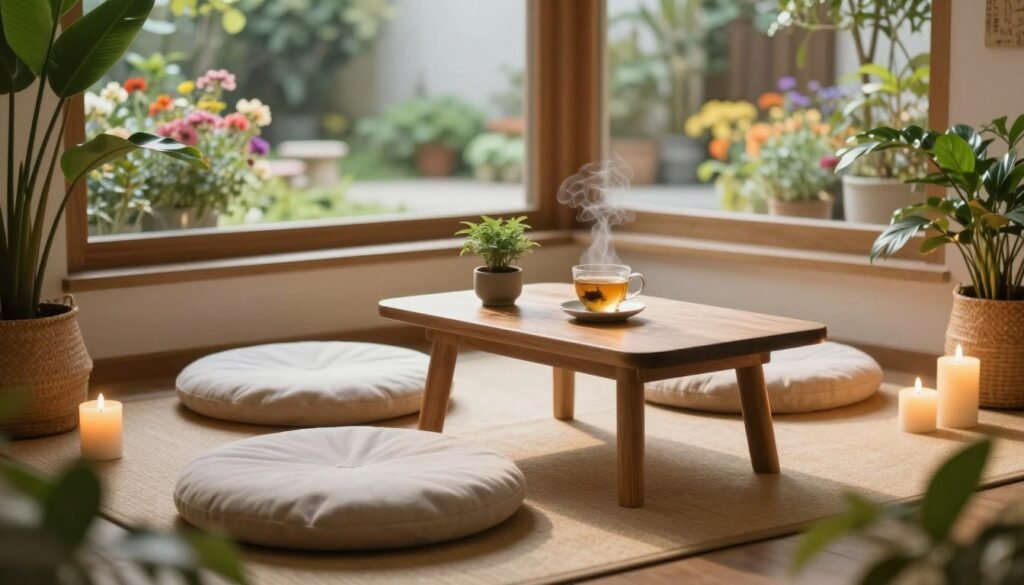
Transforming your living space into a haven of peace is a powerful act of self-care. Your environment significantly influences your mental state, often acting as a silent partner in your daily journey toward conscious living.
Decluttering for Clarity
Physical clutter often mirrors a cluttered mind. By clearing away unnecessary items, you create room for calm attention and reduce the visual noise that triggers stress.
Focus on keeping surfaces clear and organizing your belongings in a way that feels supportive rather than restrictive. This process is not about achieving a magazine-perfect aesthetic, but about ensuring your home serves your need for tranquility.
“The space in which we live should be for the person we are becoming now, not for the person we were in the past.”
Incorporating Nature and Comfort
Bringing elements of the outdoors inside can ground your senses and foster a deeper connection to the present moment. Consider adding indoor plants, natural textures like wood or stone, and soft lighting to enhance your self-care routine.
Designate a small corner of your home specifically for reflection or meditation. This dedicated spot serves as a physical anchor for your practice of conscious living, reminding you to pause and breathe throughout the day.
| Element | Impact on Mindfulness | Actionable Tip |
|---|---|---|
| Natural Light | Boosts mood and energy | Keep curtains open during the day |
| Indoor Plants | Reduces stress and improves air | Place a small succulent on your desk |
| Soft Textiles | Provides physical comfort | Use a cozy blanket for meditation |
| Visual Clutter | Increases mental distraction | Clear one surface every evening |
Mindfulness and Physical Fitness
Moving your body with intention transforms a standard workout into a powerful tool for mental clarity. When you shift your focus from the clock to the sensations within your body, you unlock a deeper level of stress relief. This approach turns routine movement into a restorative practice that benefits both your muscles and your mind.
The Connection Between Mindfulness and Exercise
Physical activity provides a natural outlet for tension, but adding awareness makes it even more effective. By paying close attention to your breathing, you regulate your nervous system during intense exertion. This deliberate focus helps you stay grounded, even when your heart rate climbs.
You can also improve your overall well-being by noticing how your muscles engage during each movement. Whether you are lifting weights or stretching, observing your posture and alignment prevents injury and increases efficiency. This mindful engagement ensures that your exercise session serves as a true break from the pressures of daily life.
Practices to Enhance Workout Experience
There are many mindfulness exercises you can integrate into your favorite activities to deepen your experience. For rhythmic movements like walking or running, try syncing your breath with your footsteps. This creates a meditative flow that clears the mind and boosts your mood.
If you prefer slower, more deliberate movement, consider these disciplines:
- Yoga: Focus on the transition between poses to build strength and inner calm.
- Tai Chi: Use slow, fluid motions to cultivate balance and deep relaxation.
- Qigong: Practice gentle, repetitive movements to improve energy flow and focus.
By treating your workout as a time for presence, you turn physical exertion into a form of moving meditation. These mindfulness exercises allow you to leave the gym or the trail feeling refreshed, centered, and ready to face the day with renewed energy.
Mindfulness for Better Relationships

Conscious living transforms how we relate to the people who matter most in our lives. By choosing to be fully present, we create a safe space for deeper connection and mutual understanding. This intentional approach fosters emotional wellness, allowing us to navigate challenges with grace and empathy.
Communicating Mindfully
Mindful communication is not just about the words we choose; it is about the energy we bring to the exchange. When we practice conscious living, we learn to pause before reacting to difficult emotions. This brief moment of reflection prevents impulsive comments that might cause unnecessary hurt.
Instead of focusing on being right, try to focus on being understood and understanding the other person. Consider these key habits for better dialogue:
- Notice your triggers: Recognize when a conversation stirs up defensiveness.
- Speak with intention: Choose words that reflect your true feelings rather than your temporary frustrations.
- Stay grounded: Keep your body relaxed to help keep the conversation calm.
Active Listening Techniques
Active listening is the cornerstone of healthy interaction. It requires us to set aside our own agenda and give our full attention to the speaker. By truly hearing what is being said, we validate the other person’s experience and strengthen our bond.
To improve your listening skills, try incorporating these specific behaviors into your next conversation:
- Maintain full attention: Put away distractions like phones or screens to show you are present.
- Notice your assumptions: Be aware of the stories you might be telling yourself about the other person’s intent.
- Reflect the meaning: Briefly summarize what you heard to ensure you understand their perspective correctly.
- Allow for pauses: Silence is a powerful tool that gives both people time to process thoughts before responding.
Remember that building emotional wellness is a journey that happens over time. It does not require one perfect conversation, but rather a commitment to showing up with kindness and patience every single day.
Overcoming Challenges to Mindful Living
Perfection is not the goal when you decide to incorporate more awareness into your day. Many people mistakenly believe that a successful mindful living journey requires a completely silent mind or hours of meditation. In reality, the most effective approach is one that fits into your actual life, not an idealized version of it.
Common Obstacles
Life often throws curveballs that make staying present feel like a chore. You might struggle with a packed schedule that leaves little room for stillness, or perhaps you find that your thoughts race the moment you try to sit quietly. These are normal reactions, not signs of failure.
Another major hurdle is the tendency toward self-criticism. When you notice your attention drifting, you might feel frustrated or tempted to give up on your mindfulness practice entirely. It is important to remember that noticing the distraction is actually the moment the practice begins.
Strategies for Maintaining Consistency
Building a sustainable habit does not require massive lifestyle changes. You can start by dedicating just five minutes each day to your mindfulness practice. This small commitment makes it much easier to stay consistent even on your busiest days.
Try attaching your new habit to an existing routine, such as taking three deep breaths while your coffee brews or practicing gratitude while brushing your teeth. This technique, often called habit stacking, helps anchor your Mindful Living efforts into your daily flow.
Finally, treat every return to attention as a victory. Each time you catch your mind wandering and gently bring it back, you are strengthening your focus. Progress is found in the return, not in the absence of distraction.
Mindful Living Resources
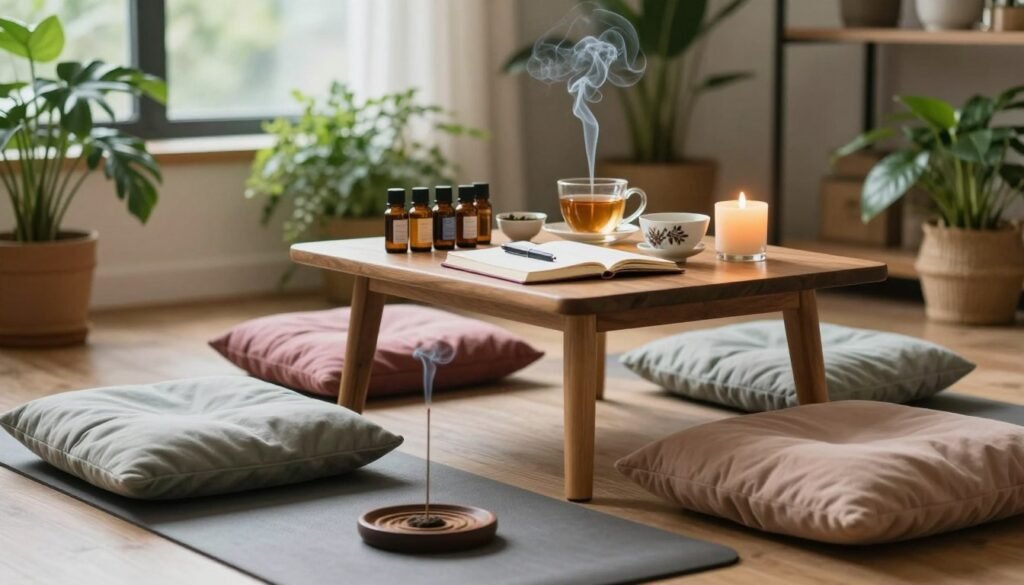
Embarking on a path of personal growth requires access to reliable and supportive resources. Choosing the right tools for your self-care journey depends on your specific goals, experience level, and daily schedule.
There is no single format that works for everyone, so it is helpful to explore various options. Whether you prefer structured guidance or independent study, finding a method that resonates with your lifestyle is key to long-term success.
Books and Apps to Explore
Digital tools have made meditation more accessible than ever before. Popular apps like Headspace, Calm, and Insight Timer offer guided sessions that fit into even the busiest schedules.
If you prefer reading, classic literature by authors like Jon Kabat-Zinn provides a deep foundation for your practice. These books offer valuable insights into the philosophy behind mindful living, helping you deepen your commitment to self-care.
Community and Online Support Groups
Connecting with others can provide a sense of belonging and motivation. Online forums and local groups allow you to share experiences and learn from the journeys of fellow practitioners.
Participating in a group can help you stay consistent when challenges arise. However, always remember that these resources are meant to support your well-being, not replace professional care.
If you find that meditation causes distress, or if you are managing a specific medical or mental health condition, please seek guidance from a qualified professional. Prioritizing your safety is the most important part of any wellness routine.
Conclusion: Embracing a Mindful Lifestyle
Lasting change grows from small, repeatable choices rather than sudden life overhauls. You build a foundation for wellness by integrating simple habits into your day.
The Long-term Benefits of Mindful Living
Consistent practice leads to improved emotional regulation and better sleep quality. You will notice sharper self-awareness and stronger physical health as you prioritize your mental state. Effective stress relief becomes a natural part of your identity when you remain present. These shifts support a balanced life that withstands daily pressures with grace.
Taking the First Step Towards Mindfulness
Begin your journey by selecting one of the many available mindfulness exercises to try today. Apps like Headspace or Calm offer guided sessions that fit into a busy schedule. Start with just five minutes to build momentum. If you encounter unexpected distress, reach out to a licensed therapist or a local support group for guidance. Your path to a calmer life starts with a single intentional breath.









Share a reflection
A kind space to share what helped, what you tried, or a question. Comments are read before they appear.